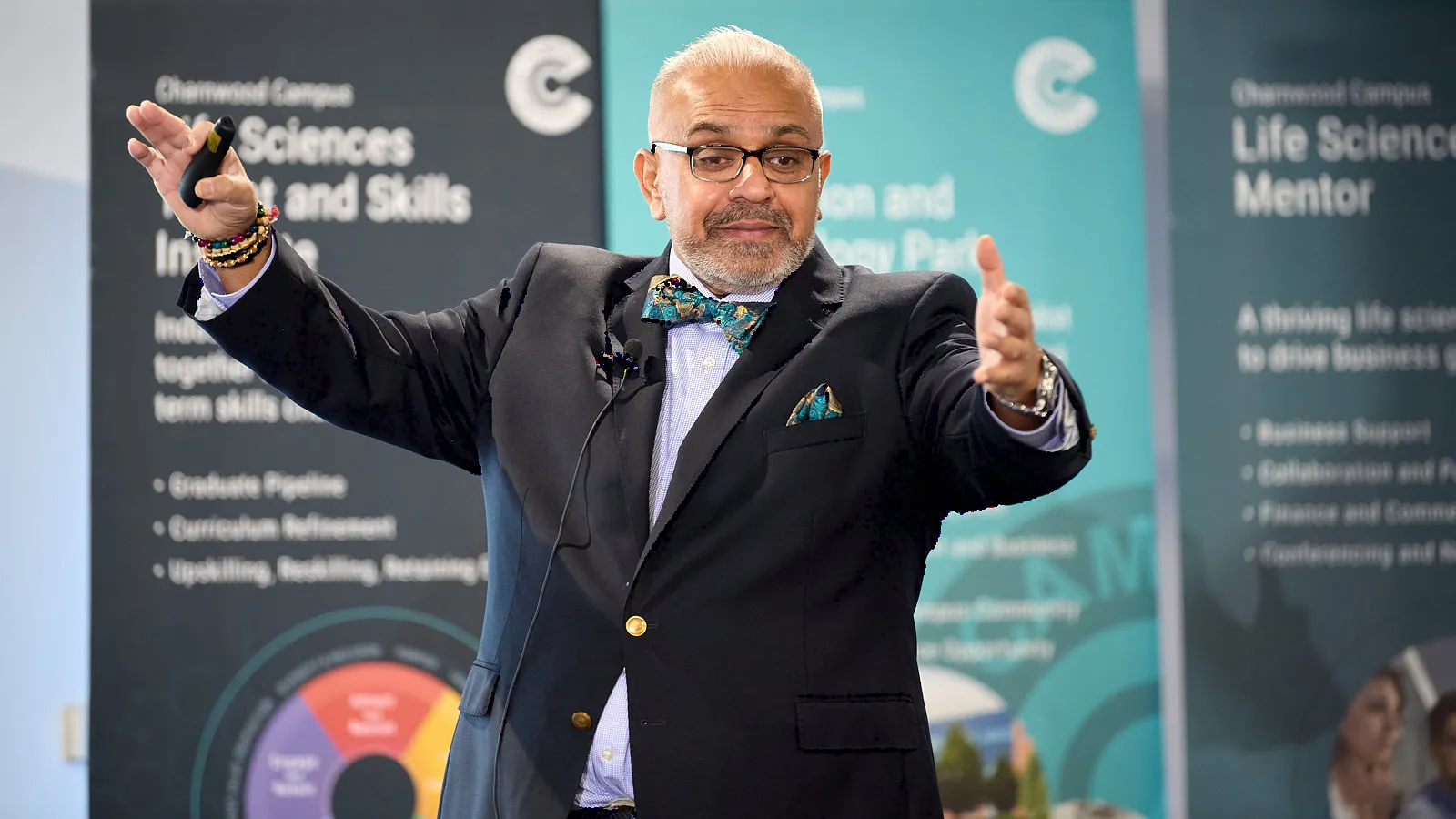
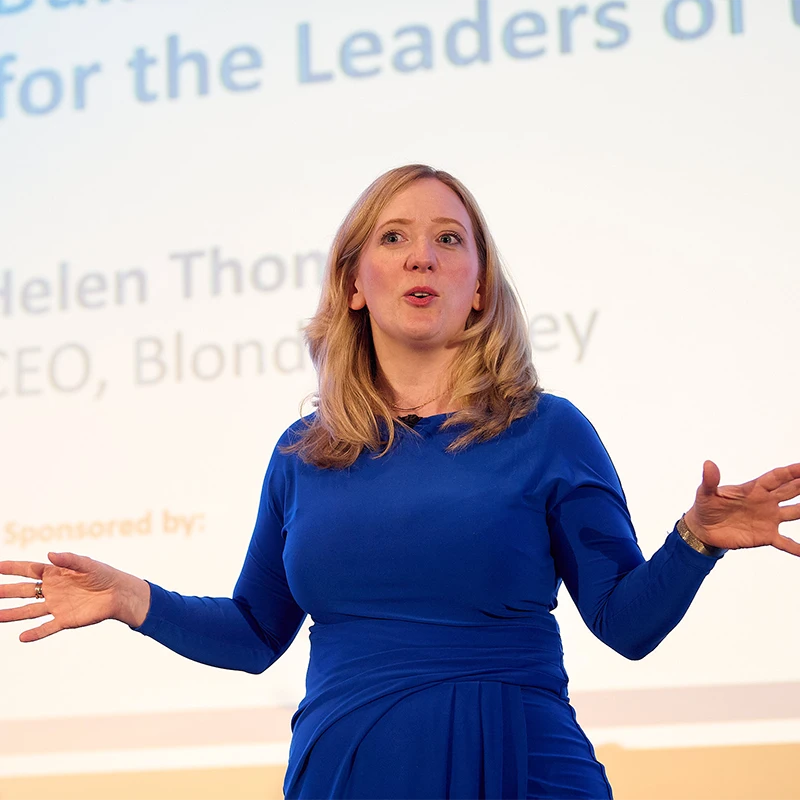
Communication isn't what you say or do. It's what the other person hears and sees. A photo works exactly the same way. It isn't what you think your face is doing that counts, it's what people actually read off it, and most of that is settled by your body.
Which is why nearly everyone prepares for a shoot backwards. They spend the whole run-up worrying about their smile. Is it too much, not enough, do I show teeth, what do I do with my eyes. The smile was never really the problem.
Nobody reads your face on its own. They read your face and your body together, as one thing, and the body tends to go first. There's actually research on this. A study last year found that your posture changes how people read your facial expression. Same face, different body underneath it, different message. I wasn't surprised when I read it. I watch it happen through the camera all day.
Now, a headshot crops most of that away. Tight in on the face, the body barely features, so it really is your expression carrying the picture. Branding photography is a whole different story. There the body is right in the frame, doing at least as much of the talking as your face.
Think about what that does to a branding photo. You can have a perfectly warm, genuine smile, and if it's sitting on top of tight shoulders and a folded-up, braced body, it doesn't read as warm. It reads as someone who wants this to be over. Your body is quietly telling everyone how to decode your face, and the face loses that argument every time. That goes double for some of the people looking at you. The study I mentioned was actually run with autistic viewers, and it found they lean on body posture even more than everyone else when they work out what a face means. So a real slice of your audience, anyone who reads people a little differently, is taking its cue from your body first, whether you realise it or not.
The bit everyone worries about is the wrong bit
So when someone tells me they just need a nice smile, I already know we'll be spending our time somewhere else. The smile mostly looks after itself once the rest of you settles. Get the shoulders down and the hands resting instead of gripping, and the face has somewhere honest to sit. That's when the real expression turns up, the small one, the one that actually looks like you on a good day.
There's a catch, though, and it's the reason "just relax and be yourself" is such useless advice. The open, easy posture that reads as warm and approachable is exactly the thing you can't fake. Arrange your shoulders into what you think confident looks like, and the camera sees the arrangement, not the confidence. People are good at spotting the difference, even when they can't put their finger on why a photo feels slightly off.
You can't perform genuine. Which is a bit of a problem if you're stood there trying to.
So I don't ask you to
This is the actual job, and it's the part my coaching style suits. I'm not fixing your smile. I'm settling your body, a shoulder here, a shift of weight there, small enough that you stop noticing, until the tension drains out of your posture on its own. We chat, we laugh, we have some fun. Once your body's genuinely at ease, your face follows. It hasn't got much choice, the two are wired together. That same research hints at it from the other side too, holding an open, easy posture can nudge how you actually feel, not just how you look.
I photographed a business owner in Bristol a while back. When I arrived she was braced for it, the way most people do, half expecting to be told to fold her arms and look serious. We didn't do any of that. She sat, we talked, I moved a couple of things, and somewhere in the middle she forgot the camera was there. The frames that worked are the easy ones, her getting on with something, or looking up mid-thought. Nobody would call them posed, because they weren't. Her body let go, and her face went with it.
Why this matters more for branding
A headshot does one job. A branding set has to carry you across a website, an about page, a speaker profile, a year of posts. If the body in those images is braced or borrowed, people feel the gap in every one of them, even if they never work out what it is. It reads like a stock photo of a professional. Get the body genuinely at ease and it reads like you, and you are the thing they're deciding about.
So don't lie awake practising your smile. Turn up as you are, we'll have a chat, and I'll take care of the rest. Sort the body out, and the face takes care of itself.
Personal branding photography is where this matters most. Have a look at how a session works, then tell me what your images need to do.